

















A supportive recovery setting often feels calm, organized, and quietly hopeful from the moment you arrive.
The outside noise gives way to honest conversations, clear expectations, and daily routines that help you feel more grounded. Instead of trying to manage everything alone, you are surrounded by people who recognize what you are facing and genuinely want to see you make progress.
Daily life follows a structure that supports healing without feeling rigid. Mornings may include check-ins, afternoons might involve groups or appointments, and evenings can offer time for reflection or shared activities. Little by little, the constant sense of chaos is replaced by a clearer sense of direction and stability.
A supportive recovery program offers far more than a bed and basic schedule. It creates a space where you can rebuild confidence, test new coping skills, and learn to handle stress without falling back into old patterns.
The Foundation of Supportive Recovery Housing
Supportive recovery housing gives many people the foundation they need in the early stages of mental health and addiction recovery. Instead of moving between unstable or unsafe environments, they gain a steady place to live while working on healing. A consistent home base lowers daily stress, which makes it easier to focus on therapy, medical care, and personal goals. That physical stability often becomes the first building block for emotional steadiness and healthier choices.
These homes are designed to balance comfort and responsibility. Residents follow house guidelines, share household tasks, and attend agreed-upon meetings or groups. This structure helps rebuild everyday skills such as time management, follow-through, and respect for boundaries. Over time, completing small daily tasks can restore a sense of competence and reinforce personal accountability, which are both important for long-term recovery.
Community and accountability are central to supportive recovery housing. Living with others who understand cravings, setbacks, and small wins reduces isolation and stigma. When residents see their peers staying sober, attending appointments, and rebuilding their lives, hope begins to feel grounded instead of abstract. At the same time, housemates often hold one another to shared standards, which reinforces commitment to recovery and encourages honesty about struggles.
Supportive recovery housing can also include features like structured routines and expectations such as:
- Regular group check-ins focused on progress, goals, and challenges
- Shared responsibilities that keep the home clean, orderly, and respectful
- Agreed-upon rules that promote safety, sobriety, and consistency
- Built-in opportunities for residents to offer support and feedback to each other
These elements work together to create an environment where residents practice living in recovery, not just talking about it. Instead of being overwhelmed by unstructured time, they follow routines that support healthy sleep, nutrition, and appointment attendance. The home becomes a training ground where people can build the habits they will rely on after they move on.
Life skills are another important part of this foundation. Many programs encourage residents to explore education, employment, or volunteer roles while they live in supportive housing. By gradually taking on responsibilities outside the home, individuals practice balancing recovery with “real world” demands. That experience often makes the transition to independent living feel less abrupt and more manageable.
In the end, supportive recovery housing recognizes that healing is about more than stopping substance use or managing symptoms. It supports growth in relationships, work, self-care, and emotional health. With the right mix of stability, structure, and support, residents can leave not only sober but also prepared to handle the challenges and choices of daily life.
The Pathway to Long-Term Addiction Recovery
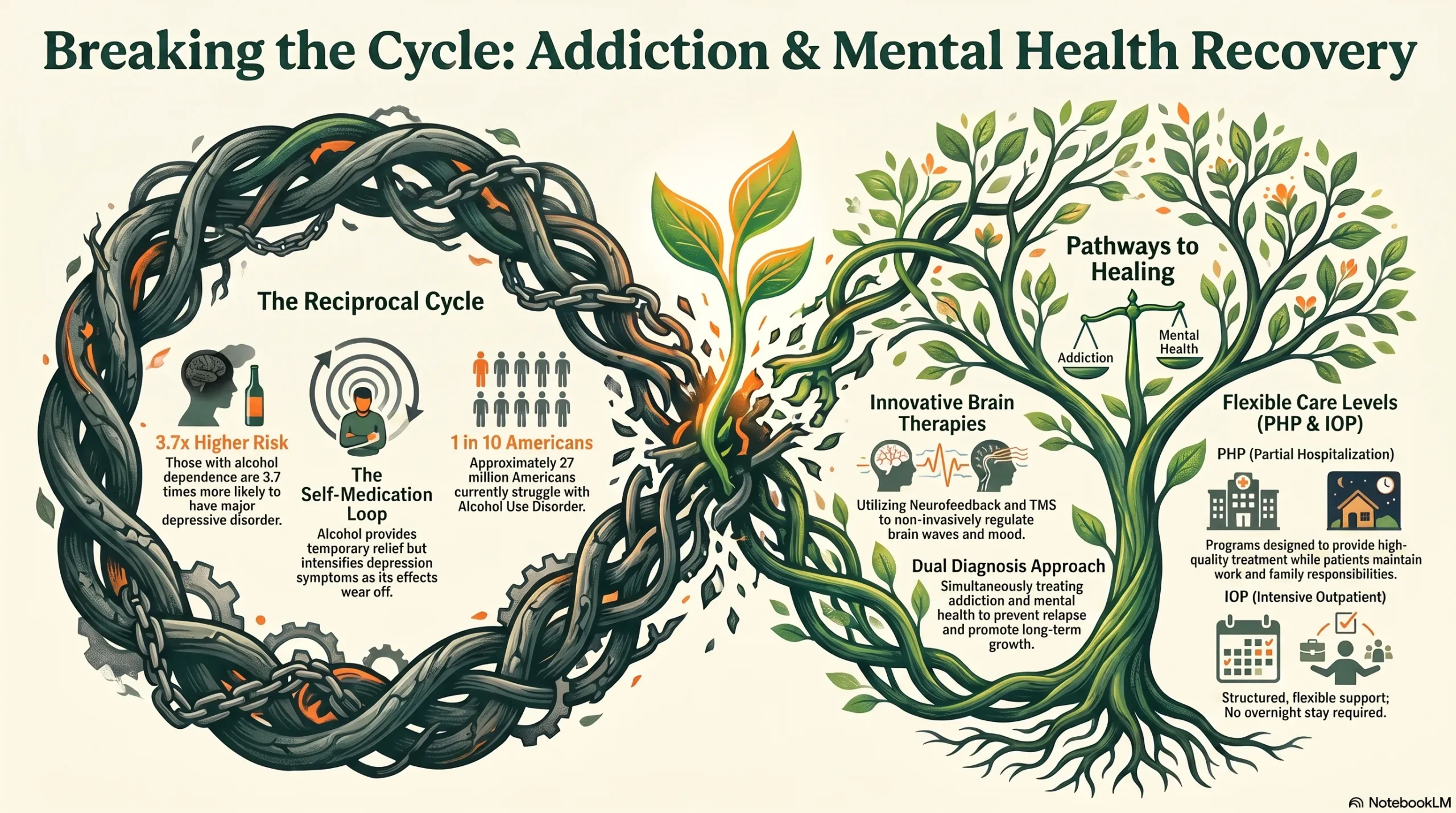
Long-term addiction recovery programs create pathways that address both immediate concerns and deeper issues beneath the surface. Substance use often connects to trauma, anxiety, depression, or other mental health challenges. Effective recovery plans do not separate these experiences into isolated boxes. Instead, they combine substance use treatment with mental health care, helping people understand how these areas influence one another.
These pathways are intentionally flexible and person-centered. Instead of forcing everyone into the same schedule, the program considers each person’s history, strengths, and goals. Someone might need more intensive therapy at first, while another person requires extra support with housing, employment, or legal concerns. As circumstances change, so does the plan, ensuring that services remain relevant and useful.
Therapeutic approaches such as cognitive behavioral therapy and mindfulness-based practices are common in long-term addiction recovery. They teach people how to identify triggers, challenge unhelpful thoughts, and respond to stress in healthier ways. Over time, cravings and automatic reactions feel less overpowering. The focus shifts from simply staying away from substances to actively building a life that supports ongoing sobriety.
Long-term recovery pathways frequently incorporate elements such as:
- One-to-one therapy to explore personal history and emotional patterns
- Group counseling where participants practice communication and boundaries
- Peer support meetings that strengthen connection and accountability
- Psychiatric care for conditions like depression, anxiety, or bipolar disorder
This combination helps people understand the “why” behind their substance use and what they can do differently. Instead of staying stuck in cycles of guilt or shame, they learn to treat risk factors as information, not proof of failure. Recovery becomes an ongoing process of learning, adjusting, and trying again, supported by both professionals and peers.
Social connection plays a major role in sustaining progress. Programs often encourage participants to repair damaged relationships when possible and build new, healthier connections. Over time, a support network of family, friends, and peers can offer encouragement during stressful periods and help strengthen motivation to stay sober.
As individuals move through recovery, their needs naturally shift. Good programs respond by revisiting goals, adjusting support levels, and encouraging more independence over time. Intensive services may gradually give way to check-ins, coaching, or alumni groups. With each stage, people gain confidence in their ability to manage their lives, set boundaries, and make choices that support long-term health and stability.
Continuous Support through Supportive-Recovery Residence Programs
Supportive-recovery residence programs expand on safe housing by layering in ongoing clinical and community services. In these settings, daily life is intentionally structured around recovery, yet there is still room for personal choice and growth. Residents participate in scheduled activities, therapy, and wellness practices while also learning how to manage unstructured time in healthy ways. This balance softens the transition from formal treatment back into everyday life.
These residences often provide regular access to mental health professionals, case managers, and recovery coaches. Scheduled appointments, groups, and check-ins create steady points of connection during the week. This continuous support makes it easier to catch small setbacks early and adjust strategies before they grow into larger problems. Over time, residents become more comfortable speaking openly about challenges and reaching out for help.
Peer relationships are another core strength of these programs. Shared meals, daily routines, and group activities create opportunities for meaningful conversation and mutual support. Residents see real examples of progress, even when it takes time, and learn to encourage one another without judgment. That experience can reshape how people view themselves and others, building trust and communication skills that extend beyond program walls.
Supportive-recovery residence programs may also weave in:
- Practical life skills classes on topics like budgeting, meal planning, and organization
- Health-focused services that connect residents with primary care or wellness resources
- Recovery-oriented activities such as peer-led groups or alumni gatherings
- Goal-setting tools that help track progress in work, school, or relationships
These components help residents connect their recovery work to everyday tasks. Instead of only discussing change, they practice it: managing money, showing up on time, caring for their environment, and setting realistic goals. Every completed task, no matter how small, contributes to a growing sense of capability.
When supportive housing, therapeutic services, and different kinds of treatments come together, they create a comprehensive framework for change. Residents gain emotional tools, practical skills, and access to medical and psychological care in one coordinated setting. Instead of choosing between mental health support and addiction treatment, they receive integrated care that respects every part of their experience.
Related: Choosing Between PHP and IOP: Which is Right for You?
Taking Your Next Step Toward Recovery
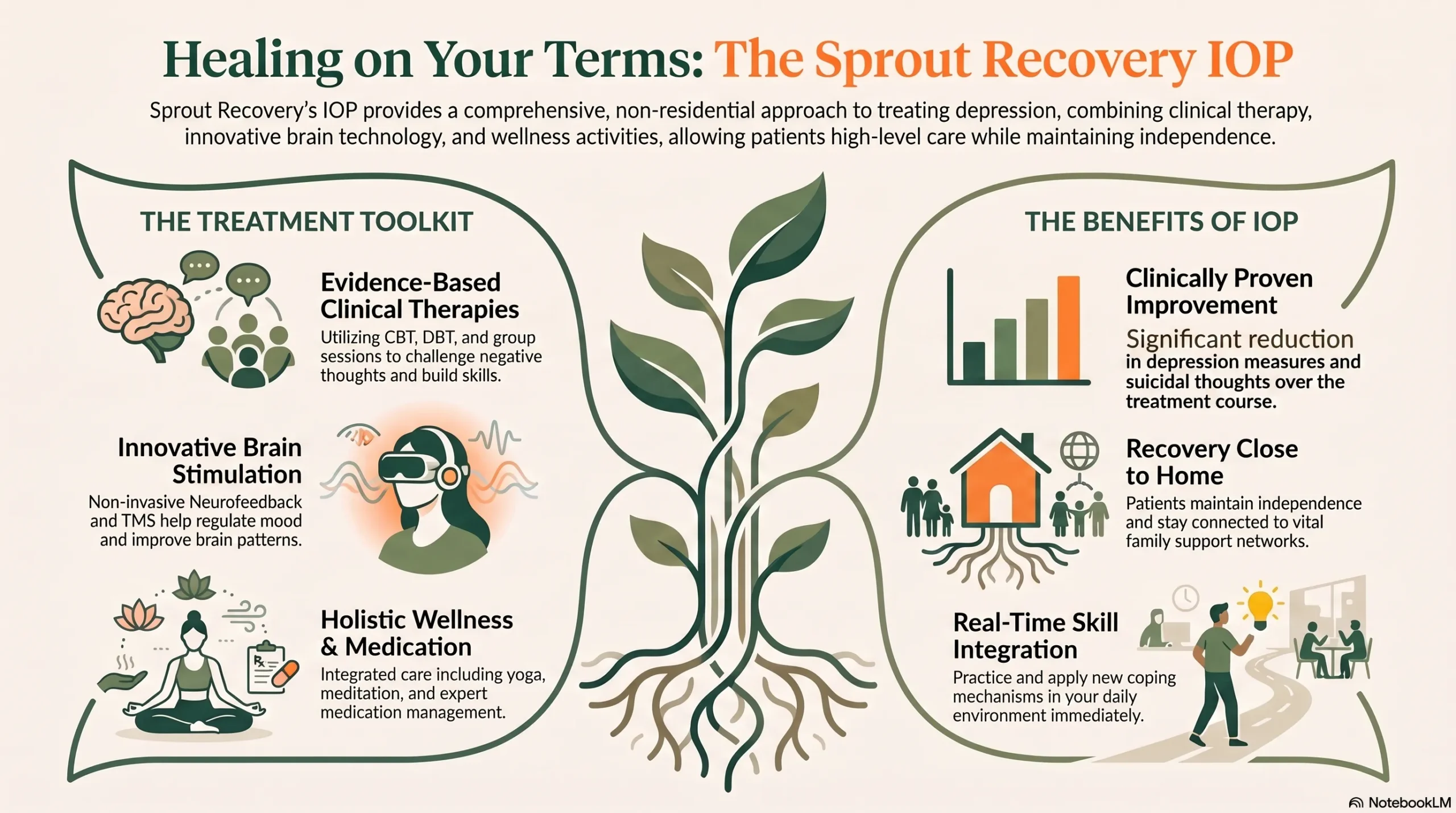
A supportive recovery program can be the turning point where life starts to feel more stable, hopeful, and manageable. At Sprout Recovery, we combine supportive housing, structured programming, and advanced options to help you build a recovery plan that fits your needs and long-term goals.
If you want to explore supportive recovery housing or long-term addiction recovery services, our team is ready to walk you through your options clearly and honestly. Take action today by applying for supportive recovery housing and position yourself for a stable, healthier future built on consistency and professional support.
Reach out at (239) 372-6141 or email us at info@sproutrecovery.com.